
Participatory Investing Toolkit
Participatory Investing
A shift health accelerator toolkit
Background and Purpose
Health inequities disproportionately burden BIPOC, low-income, LGBTQIA+, rural, and immigrant/refugee communities — the same communities facing federal threats and funding retraction in this moment.
Our healthcare system intersects with these inequities in a multitude of ways. Mandated to improve health but designed to deliver care, many healthcare institutions have made commitments to address the underlying causes of poor health outcomes, including structural racism and economic injustice. Doing so requires acknowledging that healthcare institutions are not only service providers but also civic and financial actors.
In the past decade, the healthcare system has increasingly recognized the importance of addressing and investing in upstream determinants of health — affordable housing, healthy food, safe built environments, and other aspects of ensuring a community can thrive. These investments, however, are often subject to an ever-changing set of policy changes. Health providers, payors, businesses, and funders must frequently pivot to address the most recent crisis — which further jeopardizes long-term commitments to improving health outcomes.
Community engagement in healthcare is not new — but many healthcare leaders themselves agree that these processes are often far from ideal. And they are still rare, particularly in the context of capital decision-making. This toolkit explores frameworks and tools to shape approaches for participatory, community-rooted investing in the health sector. It contains:
Vision and definitions for participatory investing
Tools for institutional leaders interested in building readiness for participatory processes
Insights and examples from community leaders
Resources and frameworks to dive deeper
About Shift
Shift Health Accelerator is a national network of multidisciplinary leaders committed to community-led change as a pathway to accelerate health and racial equity. Shift advances a three-pronged strategy to 1. support community leaders in building power to secure health investments, decision-making rights and data ownership, 2. hold health systems accountable to equity commitments, and 3. propel policy and systems change to create enabling conditions for investments in community-led efforts advancing racial justice. Shift centers the wisdom of those leading health equity efforts across the country. Our initiatives include:
Shift Collaborative Fund
Field-tested Shift Clinic
Healthcare Accountability Learning and Action Network
Supporting Common Future’s Participatory Investing Action Lab
In 2024, Shift launched a process to explore what participatory investing could look like for health and healthcare, supported by The California Wellness Foundation and subsequently The Robert Wood Johnson Foundation. This initiative consists of three components:
Community-Led Vision for Participatory Investing
Alternate vision for health-related investing
community advisory council
Sector Tools, Education, and Narrative
Tools and stories to shift sector thinking and practice
reimagining Equity series PI Toolkit
Participatory Investing Pilots
Healthcare and community partnerships piloting participatory investing
How To Use: Health Investing 101
Traditional Investing vs. Participatory investing Questions
Healthcare financing takes many forms. This toolkit focuses on healthcare investing. This can take many forms: for example, a health system investing in an affordable housing development; a health insurance company making a venture investment in a maternal health startup; a health-focused foundation investing in a local wellness cooperative.
Despite the prevalence of health investments, this function can be seen as distant from the more well-known care delivery aspects of healthcare institutions. Here, we break down the stages of a typical investment that is being viewed through an impact lens — for example, aligned with the mission of delivering health. This visual demonstrates the stages of investment:
Impact Value Chain for a Typical Investment
Pre-Investment
(Estimate impact)
1. SOURCING
2. Screening
3. Due Diligence
Pre-Investment
(Estimate impact)
4. Investment decision
5. Transaction Structuring
6. Term Sheet Negotiation
Pre-Investment
(Estimate impact)
7. Investment
8. Monitoring
9. Exit
We presented this traditional investment process to Shift’s Community Advisory Council, a collective of community health leaders from across the country. The group brainstormed a series of inquiries intended to introduce participatory concepts across the investment chain.
Initial relationship Building
Identifying Investment Opportunity
Risk Assessment
Due Diligence
Customizing Terms
Post-investment Support
How might we ensure that investees have the TA and infrastructure they need to accomplish their goals?
Asking folks what they need to be at the finance table
More support around what investment even is and how it could be helpful
North Star Vision
for Participatory Investing in Health
We also asked our advisors to consider the specific question: what should participatory investing look like for health specifically? Existing participatory investing frameworks define the concept as “an investing approach that ensures communities that have been historically excluded and harmed by traditional investment structures hold meaningful power and ownership over capital strategy, design, implementation, and outcomes.”
Shift brought together community advisors from across the country to engage in a conversation about what it would mean to specifically envision the integration of participatory investing in health. Five core principles emerged:
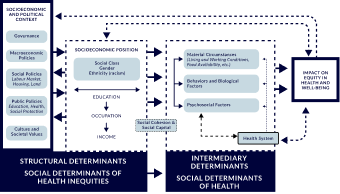
Financial decision-making as a root determinant of health
Reimagining return on investment
Returns to community
Funders and institutions as participants, not owners
One misconception about participatory investing is that it removes institutions and asset-holders from the process altogether — when in fact, the ask is that capital stakeholders come to the table with community leaders and organizations to engage across a spectrum of engagement. Sharing power requires a candid accounting of all of the assets and capacities available to the work.
Capacity-building to be at the finance table
Finally, there must be infrastructure and support to those with lived experience of health inequities so that they can engage in investment processes. Similarly, there must be willingness to unlearn “business as usual” approaches to investment risk and return, process, and stakeholders, among institutional partners. Investment processes have been designed as highly technical and are often opaque to communities who have been historically excluded — even when equity is the intention.
Navigating this Toolkit
Toolkit Modules


Scarcity & Abundance


