
Anchors in Resilient Communities
Advancing anchor accountability in the Bay Area
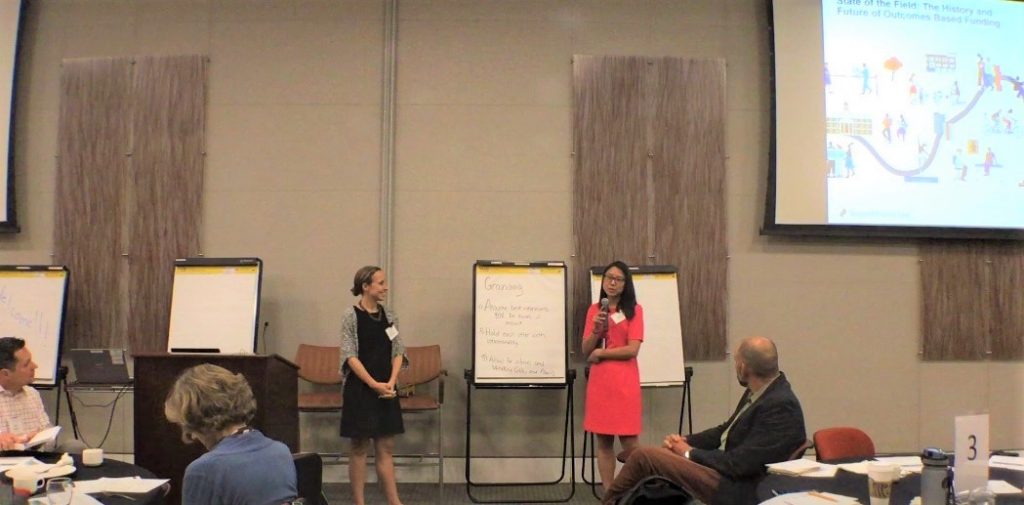
Shift facilitated a two-year engagement as a strategy thought partner with Healthcare Without Harm and Emerald Cities Collaborative in the Bay Area, CA, helping actualize shared leadership partnerships and investments between anchor institutions and community-based partners.
- San Francisco Bay Area, CA
- Health equity
- 2026
Project Overview
Anchors in Resilient Communities (ARC) is a long-standing collaboration between Healthcare Without Harm and Emerald Cities Collaborative focused on aligning the power and resources of anchor institutions with community-led goals for health, wealth, and climate resilience across the San Francisco Bay Area. As ARC deepened commitments to community governance, Shift was engaged to help deepen anchor commitments, strengthen community co-design and governance, and translate values into durable systems change. Shift partnered with the ARC team to design and facilitate anchor engagement strategies, support evaluation and learning, and build practical tools that help institutions move from intention to action. ARC continues to expand as a national model for community-driven, place-based anchor strategies that embed equity, accountability, and shared power and will be part of the national Place-Based Initiative being launched by Healthcare Without Harm in 2026.
Shift Health Approach
Shift approached ARC as both a strategy and infrastructure-building effort, helping a coalition of health systems, public health departments, and locally-rooted anchor organizations create lasting impact. Across this work, equity was centered as an operational practice, embedding community voice into governance structures, investment decisions, and evaluation frameworks. Shift continues to partner with Healthcare Without Harm and Emerald Cities Collaborative as ARC evolves, supporting next-phase place-based initiatives that advance shared power, long-term stewardship, and community ownership.
- Supported ARC as both a strategic initiative and long-term infrastructure-building effort.
- Strengthened collaboration among health systems, public health departments, and local anchor organizations through shared governance.
- Embedded community voice in governance, investment, and evaluation practices.
- Partnering on upcoming place-based efforts to test community-governed, climate-resilient investment and anchor engagement strategies.
Implementation
Shift’s engagement with ARC unfolded over multiple phases, evolving alongside the initiative. Shift designed and facilitated ARC Steering Committee sessions to deepen alignment across anchor institutions and build collective capacity for shared learning and accountability. To ground this work in real institutional conditions, Shift conducted key informant interviews with anchor partners and convened community leaders to surface readiness, barriers, and opportunities for deeper commitments to co-design, co-investment, and long-term place-based impact. Building on these insights, Shift supported ARC’s logic model refinement, evaluation design, and 5–10 year strategic planning, helping clarify success metrics for equity, shared governance, and collaborative investment. In 2023, we designed and facilitated two regional learning labs focused on operationalizing community co-design and co-investment, bringing together healthcare systems, public agencies, philanthropy, and community-based anchors to translate values into tested practice. Finally, Shift activated field-building strategies to elevate ARC’s lessons beyond the Bay Area, developing tools, case examples, and narratives that inform national conversations on anchor strategies, including a co-design workshop delivered at the CleanMed conference and contributions to emerging healthcare anchor frameworks outlined in the Anchored by health care: Strategies for health systems report.

4
15
6
featured launch-panelists
Results & Impact
Shift’s partnership with ARC helped move the initiative from a collaborative table toward a more accountable, community-driven anchor model, positioning ARC to influence not only local outcomes, but also how healthcare systems and anchor institutions across the country approach community partnership and accountability. Our partnership contributed to:
- Clearer definitions and shared understanding of co-design and co-investment across anchor partners
- Practical assessment tools to evaluate anchor commitments and identify gaps, opportunities, and support needs
- Increased alignment among anchors around equity, long-term investment, and cross-sector collaboration
- Actionable learning pathways that enabled institutions to test participatory governance and investment strategies
- A stronger foundation for ARC’s expansion as a national model for place-based, community-anchored climate, health, and wealth strategies